What is Drayage?
|
Why It Matters in Cross-Border Logistics
Drayage is the invisible glue of the supply chain. A container may travel thousands of miles by ship or rail, but without efficient drayage it sits idle at the port or the border, racking up storage fees and delaying delivery. For companies importing or exporting through Southern California and Baja California, drayage is often where time and money are won or lost.
Imagine a manufacturer in Tijuana waiting for critical components needed to keep its production line running.
The shipment arrives at the Port of Long Beach early in the morning.
If no drayage carrier is available, the container remains at the terminal.
Every additional hour increases storage costs, delays customs processing, and may even force the manufacturer to stop production while waiting for those parts.
Now imagine that same shipment handled by an experienced drayage provider.
The container is picked up promptly, transported efficiently, cleared through the appropriate facilities, and delivered on schedule.
Production continues without interruption, inventory stays on track, and unnecessary costs are avoided.
That’s the value of reliable drayage.
Drayage at the San Diego–Tijuana Border
At the San Diego–Tijuana border, drayage is especially demanding: containers crossing at Otay Mesa must clear customs on both sides, and even short delays ripple through the entire schedule.
Did you know?
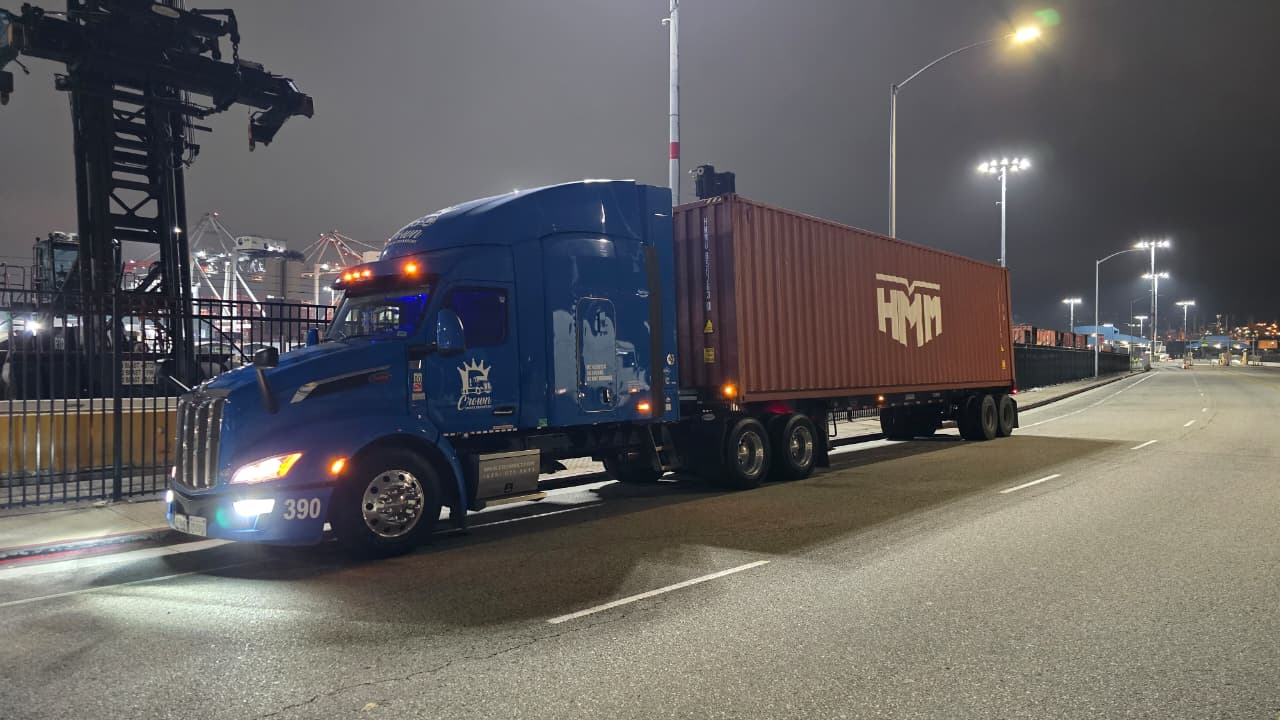
Crown Xpress Transport performs 400+ drayage moves every week, supporting container transportation between the Port of Long Beach and Ensenada, and connecting freight to destinations across 48+ U.S. states.
Common Types of Drayage
- Pier drayage — moving containers from the port to a nearby rail hub.
- Door-to-door drayage — from the port or border directly to the customer’s facility.
- Expedited drayage — time-critical moves that can’t wait in the yard.
Related Terms
Learn more about bonded trucking.