What Is an In-Bond Shipment?
|
Why In-Bond Matters
In-bond transportation helps keep freight moving in compliance without requiring full U.S. customs clearance at every point along the route. When properly managed, it can simplify the movement of international cargo through the United States. When documentation or procedures are incorrect, however, the result can be delays, cargo holds, additional costs, or potential penalties.
In-Bond Shipments in Cross-Border Transportation
For freight arriving at a U.S. port and continuing toward Mexico, an in-bond movement can allow the cargo to travel under customs control from the port of arrival to the designated border or export location without first being entered for U.S. consumption.
This is especially relevant for supply chains connecting ports such as Los Angeles and Long Beach with Baja California, where the cargo’s final destination may be outside the United States.
The key is maintaining accurate information throughout the movement and ensuring that the in-bond transaction is properly coordinated and completed.
Did you know?
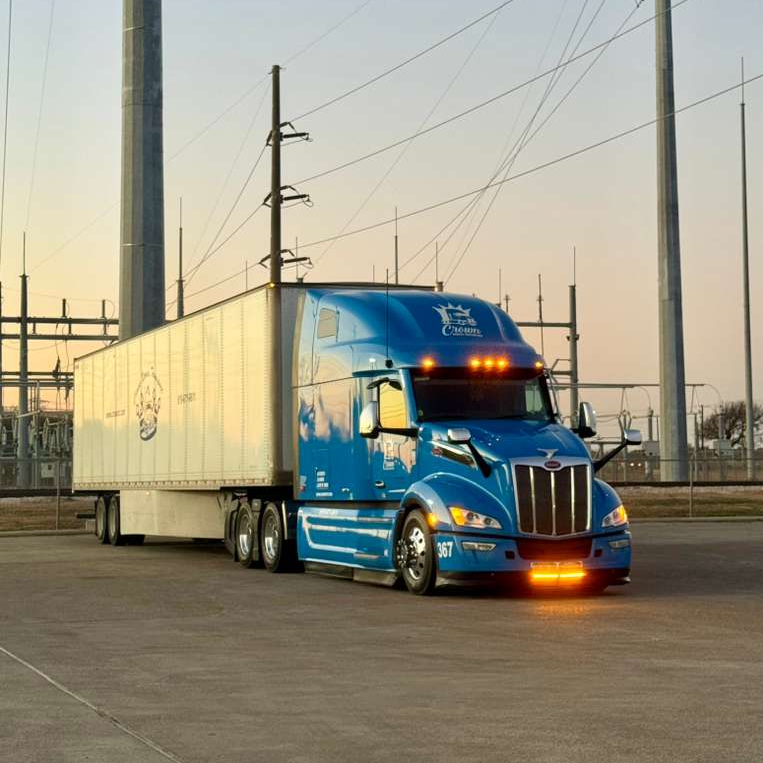
For Crown Xpress Transport, strong cross-border execution starts before dispatch.
Crown’s internal transportation planning recognizes in-bond/bonded movements and border transfers as separate operational scenarios, including the need to confirm whether a relay or transfer is required before the movement is executed.
- A practical pre-dispatch verification should include:
- In-bond reference or shipment identification
- Correct origin and destination information
- Port of arrival and intended port of export
- Container, trailer and seal information
- Commodity and shipment details
- Required border-transfer or relay instructions
- Customs broker instructions
- Any special permit or handling requirements
Crown’s planning materials also treat border crossing, in-bond and related customs requirements as items that should be clarified before pricing and execution, rather than addressed after the shipment is already in transit.
Practical Tip:
Verify the in-bond details before dispatch. A few minutes spent confirming shipment data with the customer and customs broker can help prevent hours of delay at the port or border.
Crown Xpress Transport
Plan ahead. Coordinate every detail. Keep freight moving.
Related Terms
Learn more about Drayage Bonded trucking